
G Suite security compliance refers to a structured approach for managing and safeguarding data, applications, and communication within organizations that use G Suite (now Google Workspace). In the United States, these practices are often shaped by local regulatory demands, industry standards, and evolving cloud security risks. G Suite’s compliance service combines technical measures, administrative controls, and documented policies to help organizations align their collaborative workflows with established guidelines for confidentiality, integrity, and data protection.
Security compliance in G Suite encompasses a variety of controls. These typically include encryption, user activity monitoring, access management, and adherence to region-specific legal requirements such as the Health Insurance Portability and Accountability Act (HIPAA) or the Federal Risk and Authorization Management Program (FedRAMP). The core goal is to offer a structured environment for organizations to manage sensitive information while meeting the expectations set forth by regulators and industry stakeholders in the United States.

Organizations in the United States often prioritize centralized admin controls when implementing G Suite security compliance. The Admin Console Security Settings allow designated personnel to set password requirements, manage authentication factors, and review user activity. These features can support proactive compliance management by providing regular system insights and detailed audit trails.
Compliance certifications and reports play a key role in demonstrating adherence to regulatory frameworks. Many U.S.-based businesses rely on Google’s third-party audit reports to validate their own risk management and due diligence processes. These documents may be requested during vendor assessments or regulatory audits and cover protocols relevant to data storage, transfer, and access.
Data Loss Prevention (DLP) services within G Suite are frequently employed in regulated industries, such as healthcare, education, and finance. DLP capabilities can help organizations monitor for policy violations and restrict sensitive data flow externally. The deployment of such features often requires aligning rule sets with internal policies and U.S. legal obligations.
Operationalizing G Suite security compliance may involve ongoing collaboration between technical staff, compliance officers, and legal advisors. Regular reviews of configurations, user privilege assignments, and incident logs are considered part of maintaining compliance readiness. Many U.S. organizations use automated alerting and real-time reporting to support prompt detection of non-compliance or security incidents.
In summary, G Suite security compliance integrates technical configuration, regulatory awareness, and continuous management. The following pages further explore administrative controls, certification processes, security practices, and real-world considerations for organizations in the United States.
Administrative controls serve as the foundation for managing user behavior and access rights within G Suite environments. In the United States, these settings can help organizations align with federal and state data protection statutes. Through the Admin Console, IT managers may assign user privileges, enforce multi-factor authentication, and monitor changes to user accounts. This centralized dashboard supports continuous oversight, which is important for both operational requirements and compliance with frameworks like SOC 2 or HIPAA.

Role-based access control is a common administrative strategy that assigns permissions according to job function. This practice may limit data exposure by restricting sensitive information to only those with an established business need. Organizations often review these roles on a scheduled basis to identify and resolve instances of privilege creep or dormant accounts—both of which can elevate risk if left unchecked under U.S. compliance obligations.
Audit logging is another key administrative feature in G Suite. By collecting evidence of user actions and system changes, organizations are better able to respond to incidents and demonstrate compliance if required. Audit trails are typically retained in accordance with internal data retention policies or industry-specific regulatory timelines, commonly seen in sectors like healthcare, where retention may extend up to several years as per federal requirements.
Admin controls also facilitate secure onboarding and offboarding of employees. Customizable user provisioning enables quick updates to access permissions during hiring or role changes, while prompt deprovisioning supports data protection when employees leave the organization. Many U.S. enterprises utilize these features to address the personnel changes that commonly affect compliance readiness.
Compliance certifications offer documented assurance that G Suite’s security protocols have been independently assessed against recognized benchmarks. In the United States, organizations frequently review Google’s certifications—such as SOC 2 Type II or ISO 27001—to verify alignment with internal and regulatory expectations. These reports are prepared by accredited third-party auditors and may offer insight into data encryption, physical security, and incident response procedures implemented across Google Workspace.
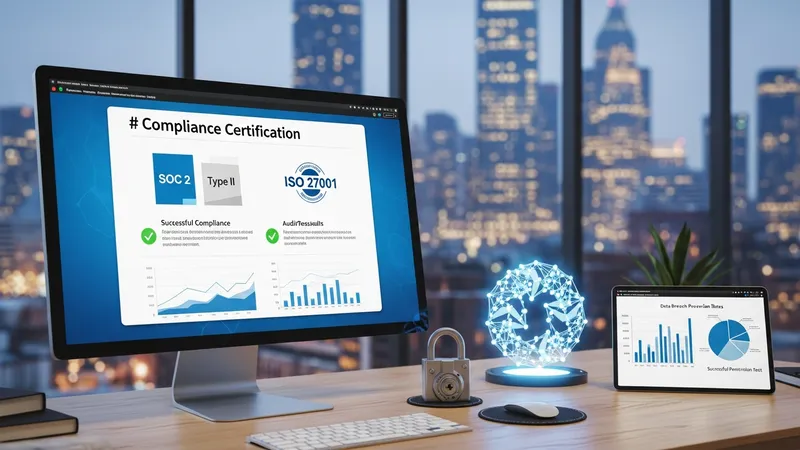
The process for accessing and reviewing compliance certifications is typically straightforward. Organizations may download documentation directly from Google’s compliance center. These reports can be used to supplement vendor risk assessments, contribute to annual compliance reviews, or support requests from regulators and auditors within the U.S.
Federal programs such as FedRAMP require cloud service providers, including Google, to meet stringent security controls before they are authorized for use by U.S. government agencies. For organizations with federal clients or partners, demonstrating alignment with such certification frameworks may be considered essential for business continuity and legal compliance. The availability of up-to-date certification details may aid in ongoing due diligence efforts.
U.S. organizations may periodically review and validate these certifications to ensure that security practices adapt to new standards or evolving threats. Maintaining awareness of renewal dates, scope of coverage, and areas noted for improvement can help businesses document a commitment to compliance and risk reduction, in alignment with United States regulatory expectations.
Data Loss Prevention functions within G Suite are designed to help organizations manage accidental or unauthorized exposure of sensitive information. In the United States, these features are particularly relevant to entities subject to sector-specific regulations, such as the Gramm-Leach-Bliley Act (GLBA) for finance or HIPAA for healthcare. DLP settings allow administrators to define content rules that scan emails and shared files for confidential information, such as social security numbers or patient data.
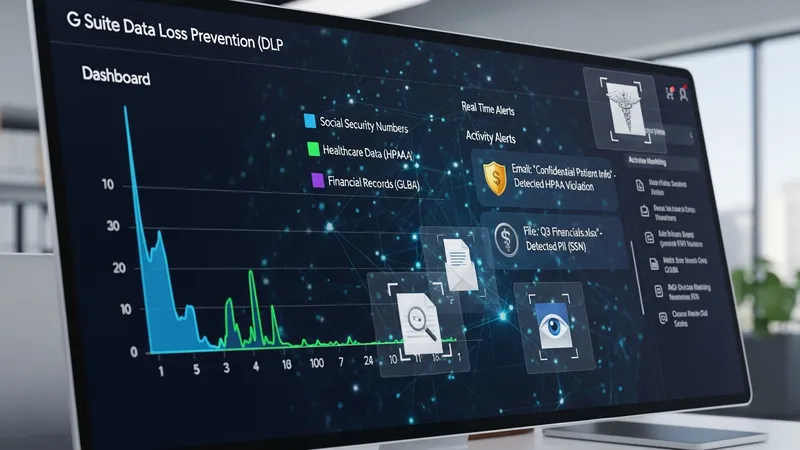
Configuring effective DLP policies generally starts with identifying the types of information subject to regulatory protection. Once established, automated scanning and filtering can help ensure that flagged content does not leave the organization or is only shared internally as permitted. This preventive approach may support compliance with notification obligations in the event of a data incident.
Real-world applications of DLP in the United States often involve a combination of system-based alerts and user education. Regular training on acceptable data handling practices may complement technical controls, providing a layered approach to compliance. Many organizations review DLP rule effectiveness by analyzing violation trends, which can help identify areas for improvement or further restriction.
G Suite’s DLP functions can also be integrated with other monitoring and response systems. When paired with audit logs or automated incident response workflows, these capabilities may support rapid detection and resolution of policy violations. Regular updates to DLP configurations are encouraged to reflect changes in U.S. regulatory definitions or evolving threat landscapes.
Maintaining G Suite security compliance is an ongoing effort that requires frequent review of policies, controls, and system activity. In the United States, organizations may implement periodic risk assessments to identify new regulatory obligations or technological changes that can impact compliance. These reviews may include reassessing access privileges, incident response plans, and audit log analysis to align with evolving legal and industry norms.

Coordination between IT, compliance, and legal personnel is commonly observed among U.S.-based organizations using G Suite. Each group contributes perspectives on risk, operational efficiency, and legal requirements. This cross-functional approach can help ensure that compliance efforts are comprehensive and responsive to both internal policy changes and new regulatory developments.
Organizations in the United States may also face specific challenges such as adapting to state-level privacy laws (e.g., California Consumer Privacy Act) or contractual clauses with business partners. G Suite’s configurable settings can be adjusted to address these nuances, enabling businesses to better support both national and local legal requirements in their collaborative environments.
In conclusion, effective G Suite security compliance for organizations in the United States relies on a combination of technical safeguards, administrative processes, documented certifications, and regular ongoing management. By adapting controls and monitoring efforts to regulatory changes and operational risks, organizations may be better positioned to uphold compliance standards and protect sensitive data in complex cloud environments.